Jaipuria Symposium
Premier National Debate Symposium

Jaipuria
Symposium

2026
Venue
Seth M.R. Jaipuria School
Date
7th – 8th August, 2026
Location
Gomti Nagar, Lucknow

Where Minds
Shape Nations

"The power of debate lies not in winning, but in the pursuit of truth."

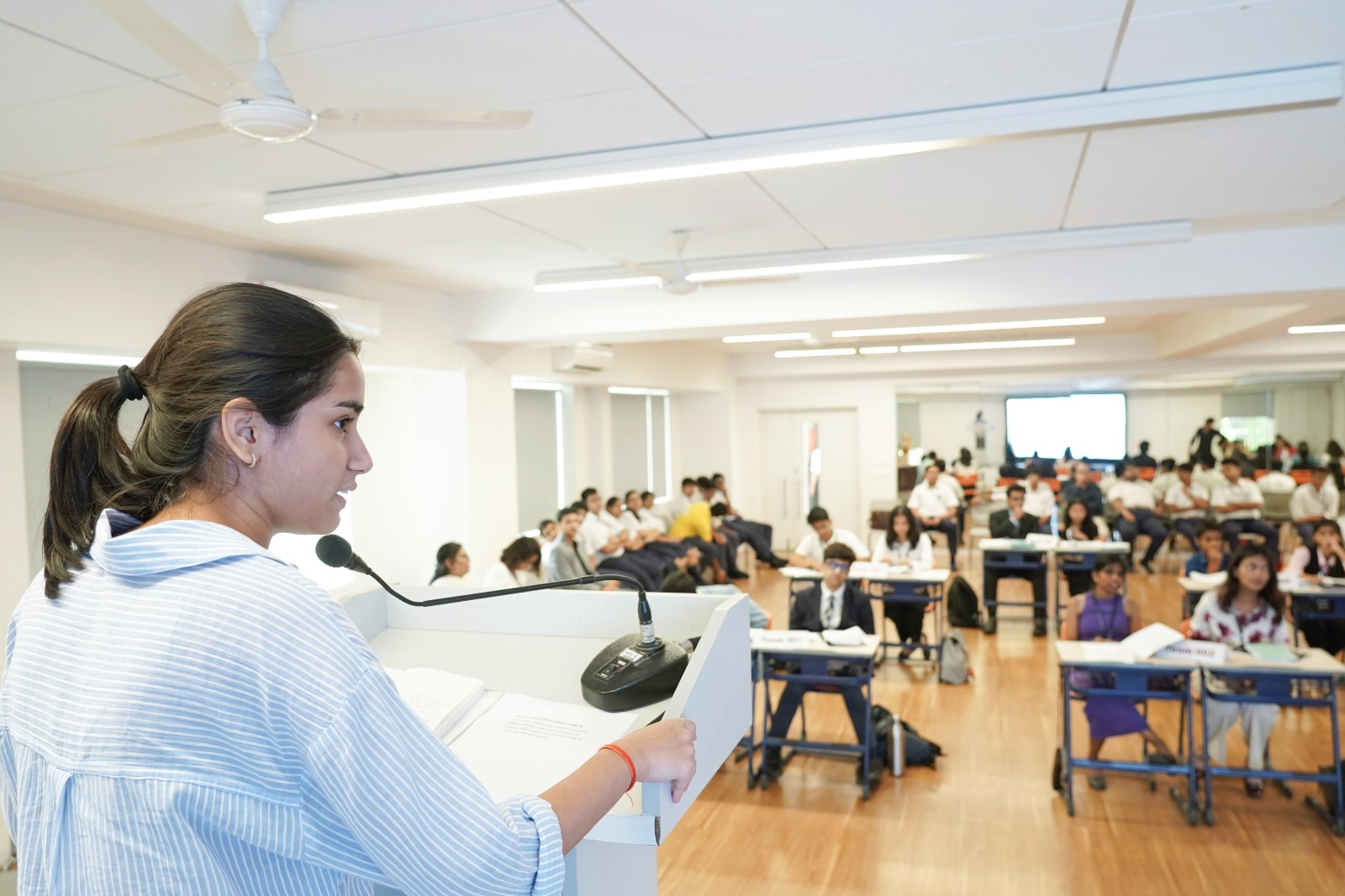
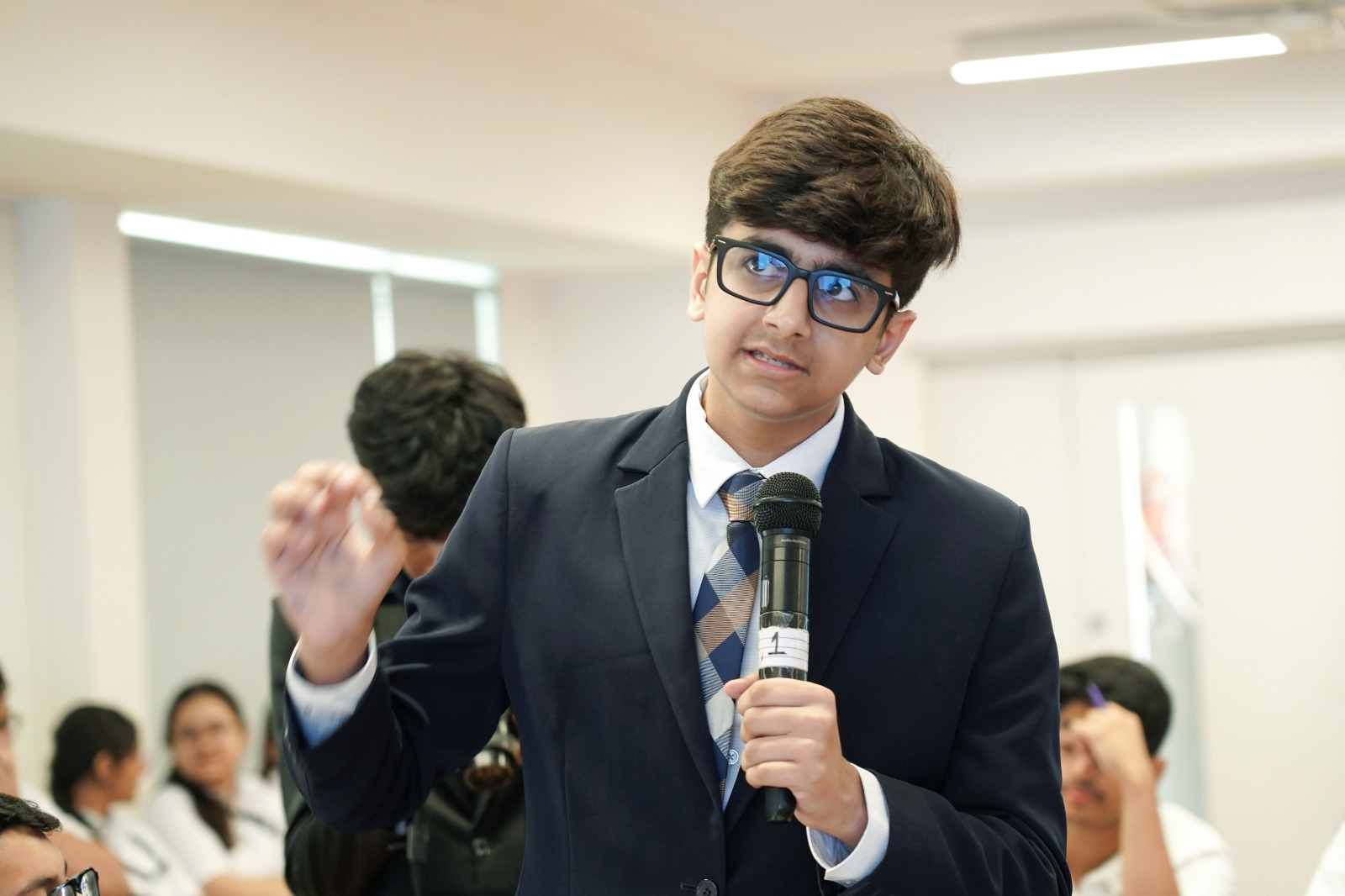
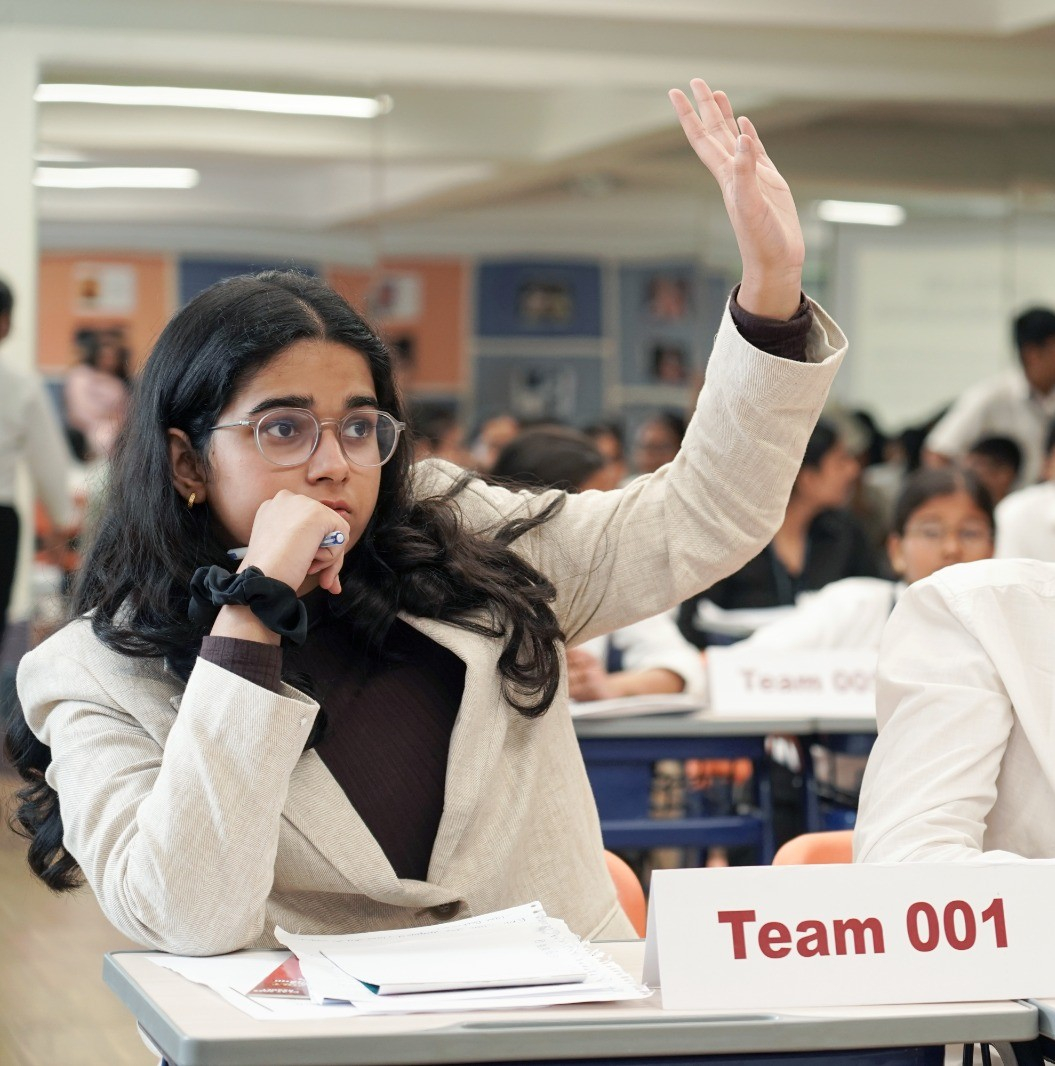
Jaipuria Symposium 2026 is a premier national-level debate symposium hosted by Seth M.R. Jaipuria School, Gomti Nagar, Lucknow. Bringing together the brightest young minds from across the country, the symposium offers a platform for rigorous intellectual discourse, diplomatic simulation, and transformative debate.

Register
4
Councils
5
Rounds
Possibilities
The clock is ticking…

Countdown to Symposium

7th – 8th August 2026 · Lucknow
000000 Days
0000 Hours
0000 Minutes
0000 Seconds
Jaipuria Symposium
Official Brochure
2026 Edition
7–8 August · Lucknow

Everything You
Need to Know

Download the official Jaipuria Symposium 2026 brochure for comprehensive information on councils, rules of procedure, registration guidelines, accommodation details, and the full event schedule.

  • Complete schedule for both days
  • Council themes and study guides
  • Details about all the 4 rounds
  • Rules of procedure & format
  • Awards and recognition criteria

The Rounds

Each round tests a distinct dimension of oratorical and diplomatic excellence.

01
Oxford Style

A motion is defended and opposed with formal speeches, disciplined rebuttal, and room-wide judgment. All teams compete in this qualifying round.

Day 1 · All Teams
02
Turncoat Debate

Speakers reverse their position midstream, testing agility, conviction, and control under pressure. Top 5 per council advance to this pool-based round.

Day 1 · Top 5 Per Council
03
Quarter Finals

Executive decision-making meets parliamentary clash: policy, opposition, questions, and consequence. 8 teams in a 4v4 format battle for the semis.

Day 2 · 8 Teams
04
Semi Finals

Government and opposition construct the house case through definitions, burden, and comparative impact. 4 teams in parliamentary format.

Day 2 · 4 Teams
05
Grand Finale

The final parliamentary round compresses strategy, rebuttal, extensions, and closing persuasion. 2 teams on the main auditorium stage.

Day 2 · 2 Teams

Open to All
Young Minds

Jaipuria Symposium 2026 welcomes passionate participants from schools and institutions across India. Whether you're a first-time participant or a seasoned debater, there's a council for you. Teams of 3 participants per school compete across 5 progressive rounds over 2 days.

Rules of the event
  • Each school may send a maximum of two teams, each consisting of three participants from Grades 9 to 12
  • Use of AI strictly prohibited during debate and preparation time
  • Personal phones not permitted during preparation time or debate
  • Teacher-escorts must remain in the auditorium and may not meet participants during preparation
  • Teacher-escorts are welcome to witness the debate from the auditorium

Choose Your Arena

Four distinct councils, each offering a unique domain of global affairs. All four run through the same five-round structure — what changes is the topic, the bloc dynamics, and the stakes. Study your council's research guide before you walk in.

"From diplomacy to governance,
from law to security — debate it all."

Council I
ERT
Economic Round Table

Engage with the structures that govern the global economy. Participants debate trade agreements, sovereign debt, climate-linked finance, and the political economy of market reform.
Council II
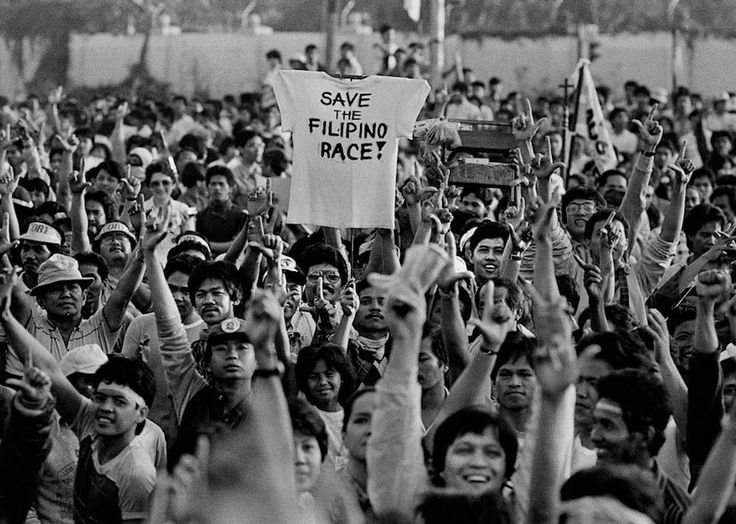
SHC
Social & Humanitarian Council

Address the most pressing human rights crises of our era. Participants negotiate around refugee corridors, systemic gender inequity, child protection frameworks, and the limits of international humanitarian law.

Council III
TIF
Tech & Innovation Forum

Navigate the governance gap left by accelerating technology. Participants debate AI safety frameworks, cross-border cybersecurity treaties, digital rights charters, and the geopolitics of emerging tech.

Council IV
PCC
Political & Cultural Council

Examine how nations shape identity, influence, and power beyond military force. Participants engage with territorial disputes, heritage restitution, soft-power projection, and multilateral diplomatic strategy.